Healthy Aging · Compression Socks

Compression socks for healthy aging and active seniors

Support for walking, travel, gardening, and circulation-conscious days, with foot-specific comfort and honest fit guidance, not medical overpromises.

  • 20-30 mmHg product line
  • WIDE sizing on Infinite and Endurance
  • 30-day trial and free exchanges
APMA Seal of Acceptance WIDE calf sizing Patented support system REPREVE yarns Woman-owned 30-day challenge Free returns and exchanges Made in USA

Find your match

Five socks, sorted by how you'll actually use them

Choose by coverage, shoe, and daily routine, not by the tallest sock on the page. Every style below comes in our foot-specific build.

Black Endurance Knee-High compression sock
Most coverage

Endurance Knee-High

Full coverage · WIDE options

4.9 · Highly rated for long days

Best for full lower-leg coverage and circulation-conscious daily wear.

$52 Shop now
Infinite Mid-Calf compression sock in Nude Three
WIDE favorite

Infinite Mid-Calf

Mid-calf · WIDE options

4.8 · Loved for all-day mid-calf comfort

Best for more coverage than crew, without knee-high height.

$41 Shop now
Black Performance Crew compression sock
Everyday pick

Performance Crew

Crew height · shoe-friendly

4.7 · The daily walking pick

Best for everyday walking, errands, and sneakers.

$40 Shop now
White AMP No-Show compression sock
Lowest profile

AMP No-Show

No-show · traction options

4.7 · Disappears in your shoe

Best for a lower-profile daily shoe option with traction.

$37 Shop now
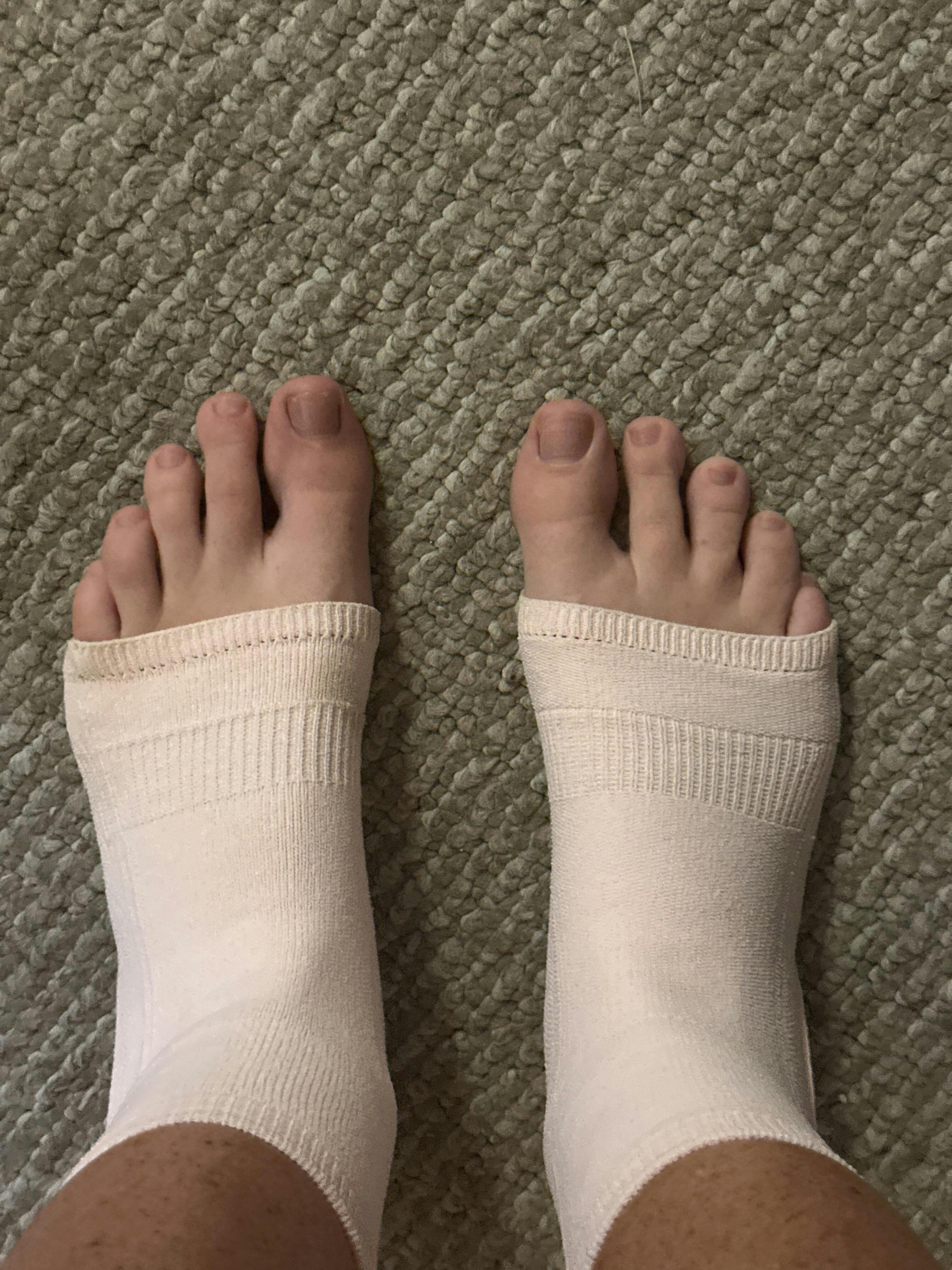
Joule open-toe ankle compression sleeve in Nude One
Open-toe

Joule Barefoot

Open-toe / open-heel sleeve

4.7 · Sleeve-style freedom

Best when toe and heel freedom matter more than coverage.

$38 Shop now

Still deciding?

Not sure which is right for you, or your parent? Answer a few quick questions and we'll match you to the right coverage, fit, and shoe pairing.

Find your fit

The science

The mechanics, made visible

Patented support systems working together inside every Apolla sock. Here is what is actually happening under the surface.

Graduated compression animation showing pressure from ankle upward

Graduated compression

Firmest at the ankle, easing up the leg, in a 20-30 mmHg profile.

Arch support animation showing support under the foot

Targeted arch support

A built-in arch band lifts and supports the foot through every step.

Force Return animation showing energy return under the foot

ForceReturn Technology

Energy-returning material gives back some of the load your feet absorb all day.

Ankle stability animation around the ankle

Dynamic ankle stabilization

Targeted compression at the ankle helps the foot feel more secure through movement.

How Apolla helps

Three things your feet actually feel

The science, translated into what it does for your day: support that's mapped to your leg, footing you can trust, and a real fit for real calves.

Graduated compression

Firmest at the ankle and easing as it climbs, mapped to your leg. That graduated profile is a product fact, not a prescription, and it's support your legs notice on a long day.

Diagram showing foot sensory receptors sending a signal up to the brain for balance

Proprioception & feedback

Targeted compression and foot support add sensory feedback, your sense of where your feet are in space, so many wearers feel more connected to the ground.

Diagram comparing a standard calf and foot outline with a wider WIDE outline and width arrows

WIDE sizing

More room through the foot and calf, in M / L / XL on Infinite and Endurance, so a wider foot and fuller leg get graduated support without a band that digs in.

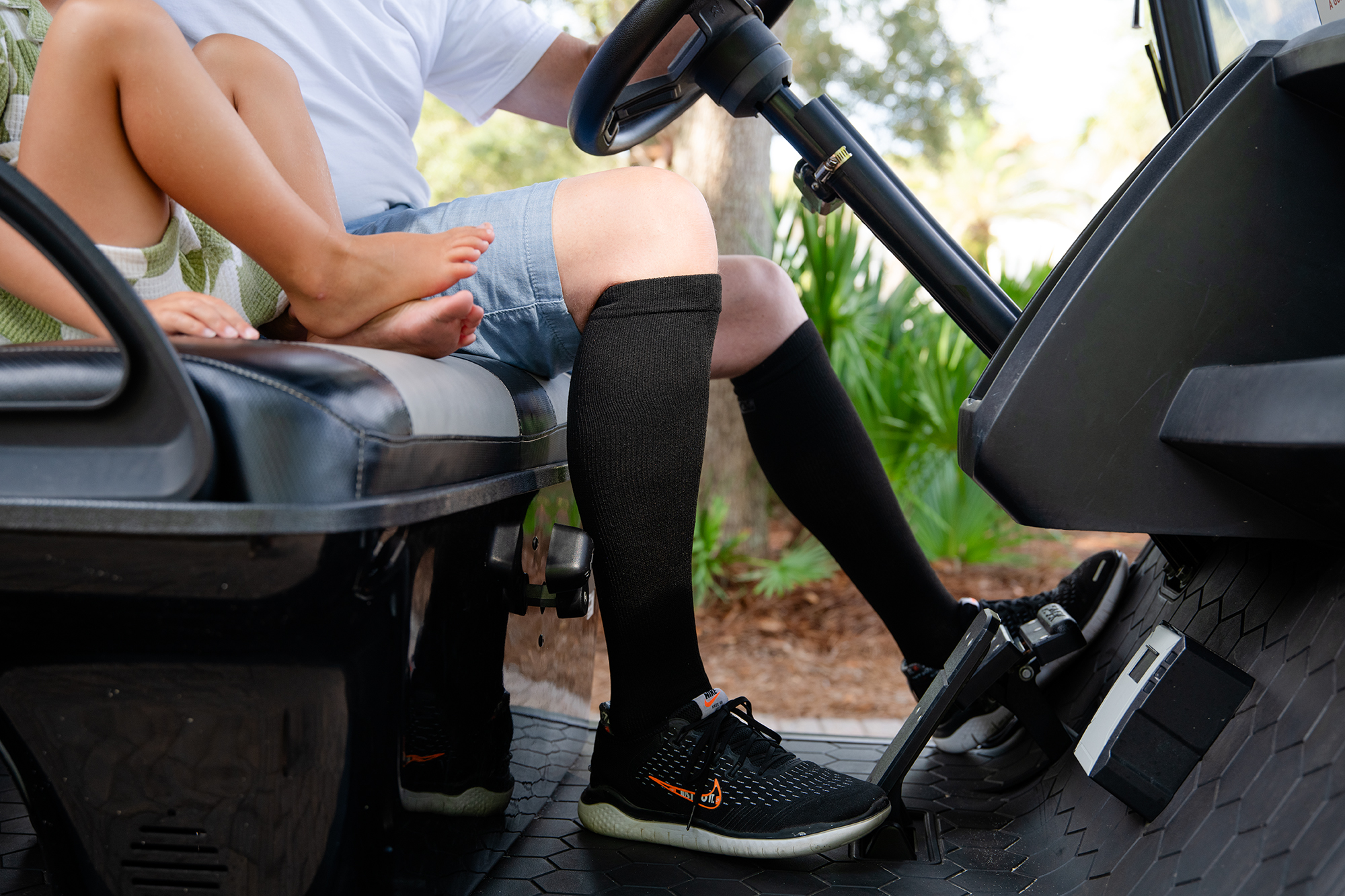
Active older adults riding a golf cart wearing Apolla socks

The active-aging reality

You're not slowing down. Your feet just want backup.

Walking the neighborhood, a flight to see the grandkids, a morning in the garden, a full day of errands. The things that make life full ask the most of your feet and lower legs. Aging doesn't turn any of that into a diagnosis. It just means fit, support, and comfort matter more than they did at 30. And if you're buying for a parent, their comfort feedback is real evidence, not complaining.

Walking & errands

Stay on your feet through the whole day without them giving out first.

Travel days

Long flights and long lines, with lower legs that feel lighter at the gate.

Garden & yard

Kneeling, standing, and bending through a morning outside.

Time with grandkids

Keep up at the park, not watch from the bench.

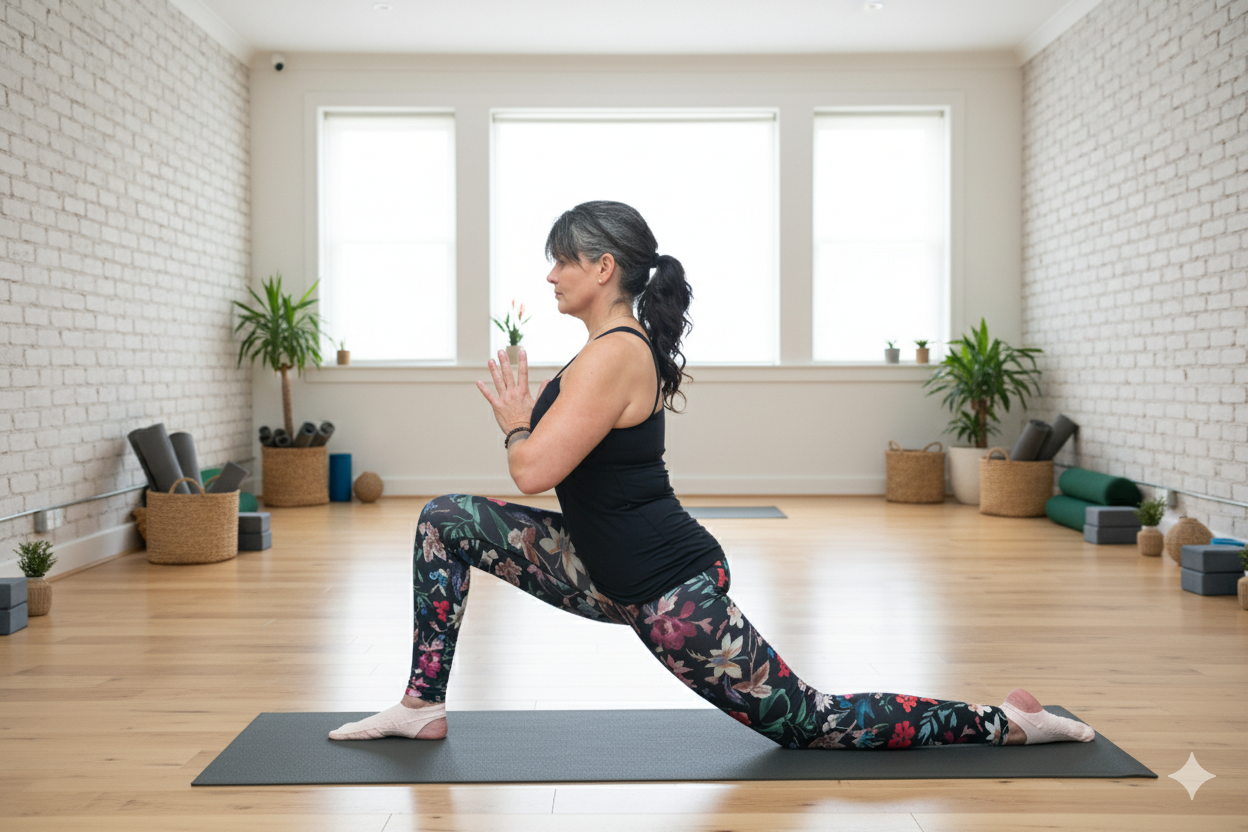
Mature woman stretching in a yoga lunge

Safety first, read this before you shop

Compression helps a lot of people. It isn't right for everyone.

We would rather you get the right thing than the most expensive thing. Apolla socks support comfort and daily movement, and they do not treat or prevent disease. Whether compression is appropriate depends on your circulation, skin, sensation, and health history. A few situations call for your clinician's okay first.

Ask your clinician first if you have

  • Diabetes-related foot issues, neuropathy, or numbness
  • Known PAD, a DVT history, or circulation disease
  • Fragile skin, open sores, or gout flare-ups

Stop and check if socks cause

  • Numbness, sharp pain, or color change in the foot or leg
  • Skin marks that do not fade, or new swelling
  • Symptoms that change fast or feel one-sided

Why we mention it: the CDC lists age over 60, diabetes, high blood pressure, high cholesterol, and smoking among risk factors for peripheral artery disease (PAD). That is context for a conversation with your doctor, not a diagnosis from a sock page. Read the CDC PAD overview.

Easy-on & how to wear

Getting them on is easier than you think

A little technique goes a long way, and most people get the hang of it fast. Watch the quick how-to-wear guide, use the size chart, and you will be set. A donning aid or a helping hand is always okay too.

Start with measurement, not wishful sizing. Performance Crew can be a simpler daily option than knee-high coverage. AMP No-Show is lower profile when calf coverage is not the goal. Infinite Mid-Calf adds WIDE sizing for people who need more calf room but do not want a knee-high.

A 70-year-old woman wrote, "These socks are very comfortable and I had no problems getting them on." With arthritis or limited hand strength, a lower-profile style or a donning aid makes it simple.

Product routing

Match a sock to your routine at a glance

Use this table to find your starting point, then let fit and your clinician make the final call. Swipe to compare ›

Apolla compression sock routing for older adults and caregivers
Use case Best product route Price Fit note
Full lower-leg coverage Endurance Knee-High $52 Knee-high coverage with WIDE M, L, and XL options.
More coverage than crew, less than knee-high Infinite Mid-Calf $41 Mid-calf height with WIDE M, L, and XL options.
Everyday walking and sneakers Performance Crew $40 Lower profile for daily shoes and errands.
Hidden support inside casual shoes AMP No-Show $37 Low-profile option when calf coverage is not needed.
Open toe, open heel, ankle-focused support Joule Barefoot $38 Useful when toe or heel freedom matters.

In their words

Older adults, and the people who shop for them

★★★★★
"Helped me keep hiking and traveling without my feet giving up on me first."
Verified customer photo Susan K.Age 68 · hikes and travels
★★★★★
"I can walk with them to the park now without pain!"
Verified customer photo Linda S.Grandparent · stays active with grandkids
★★★★★
"I bought 3 pairs for my elderly mother, they work for her circulation and she loves them!"
Verified customer photo Verified buyerCaregiver · bought for a parent
★★★★★
"Very comfortable, and I had no problems getting them on. I am a 70-year-old woman."
Verified customer photo Verified buyerAge 70 · easy-on experience

Before you check out

Five mistakes worth skipping

  • Sizing by guesswork

    Measure calf and foot, and choose WIDE if a standard band would dig in.

  • Chasing the strongest mmHg

    The right level is the one you can put on and wear correctly, not the highest number.

  • Buying on "easy-on" claims alone

    Match height to your hands and reach, not a marketing promise.

  • Pushing through red flags

    Numbness, color change, or new swelling means stop and ask a clinician.

  • Treating socks like treatment

    They support comfort and movement, and they don't replace your clinician's guidance.

Active older woman strength training in a gym wearing pink Apolla compression socks

Questions, answered

How to choose compression socks for seniors

Yes. Compression socks can be good for seniors when the fit, compression level, and health context are appropriate. For 2026, the strongest Healthy Aging answer is not "everyone should wear them." It is: choose support that helps daily movement without ignoring medical red flags.

Older adults often shop for compression because walking, travel, gardening, errands, and time with grandkids start to feel harder on the feet and lower legs. That does not make aging a diagnosis. It does mean sock fit matters more than it did at 30, because skin sensitivity, arthritis, neuropathy, diabetes, gout, PAD risk factors, and swelling patterns can change the answer. Caregivers buying for a parent should treat comfort feedback as evidence, not complaining.

Apolla compression socks for seniors are built around graduated compression plus foot-specific support. Endurance Knee-High gives the most lower-leg coverage, Infinite Mid-Calf adds WIDE sizing with a shorter profile, and Performance Crew works for daily walking shoes. Unlike a loose cotton sock or a basic elastic tube, Apolla compression socks add arch and ankle support to the compression conversation.

Ask a clinician before using compression if you have circulation disease, diabetes-related foot issues, numbness, new swelling, open skin, severe pain, or symptoms that change fast.

Start with the Healthy Aging compression sock guide for active seniors, then choose the style that fits your body, shoes, and daily routine.

The best compression socks for seniors have a safe fit, tolerable compression, the right coverage height, WIDE sizing when needed, and a shape that works inside real shoes. For Apolla, the best starting point is usually Endurance Knee-High, Infinite Mid-Calf, or Performance Crew.

Endurance Knee-High gives the most coverage for seniors who want toe-to-knee support. That is why the Endurance Knee-High compression sock for senior coverage is the first product to compare when lower-leg coverage is the priority. Infinite Mid-Calf is the better middle path when knee-high feels like too much height or when WIDE sizing matters. Performance Crew is the daily walking option for sneakers, errands, and active routines. AMP No-Show can work when a lower sock profile matters more than calf coverage.

The trade-off is simple. More coverage can feel more supportive, but it can also be harder to put on or warmer during the day. Less coverage can be easier to pair with shoes, but it may not give the lower-leg coverage a senior or caregiver is shopping for.

The voice of the customer is practical here. Susan K., age 68, said Apolla helped her "keep hiking and traveling without my feet giving up on me first." That is not a medical claim. It is the right buying lens.

The best senior compression sock is the one you can wear safely, correctly, and often.

Compression socks can be safe for many older adults, but health history and fit decide the answer. The CDC lists age above 60, diabetes, high blood pressure, high cholesterol, smoking, and atherosclerosis among PAD risk factors, so senior compression sock advice needs real caveats.

The main safety issue is not age by itself. It is whether compression is appropriate for the person's circulation, skin, sensation, and daily movement. A sock that feels supportive on one older adult can feel too tight on another, especially if there is neuropathy, fragile skin, swelling that changes during the day, or a history of vascular disease.

Apolla compression socks for seniors should be sized carefully. Use the Apolla size chart for older adult compression sock fit before ordering, and pay attention to calf width when choosing Infinite Mid-Calf or Endurance Knee-High. WIDE sizing can help when standard calf sizing is the wrong match, but it does not replace medical guidance.

Stop and ask a clinician if socks cause numbness, color change, sharp pain, skin marks that do not fade, new swelling, or worsening symptoms. The same is true for diabetes-related foot issues, known PAD, DVT history, gout flare-ups, open skin, or unexplained leg pain.

Safe compression starts with fit, honest symptoms, and the humility to ask before pushing through. That is especially true when an adult child is buying for a parent and cannot feel the sock on the parent's leg.

The best compression level for seniors is the one a person can wear correctly and safely. Apolla's public product information lists adult compression socks at 20-30 mmHg, but that product fact should not be treated as a universal medical recommendation for every older adult.

Comfort and compliance matter. One PubMed-indexed elderly compression-stocking study reported that lighter 18-21 mmHg stockings were favored over 23-32 mmHg for comfort and compliance in certain age 65+ groups, including people with arthritis, foot deformities, and female sex. That does not disqualify stronger compression. It means a senior who cannot tolerate or put on a sock correctly is not getting the intended benefit, no matter how good the product looks on paper.

For Apolla compression socks, Endurance Knee-High gives full lower-leg coverage, Infinite Mid-Calf offers a shorter WIDE option, and Performance Crew keeps the profile lower for everyday shoes. Read what mmHg means for compression sock comfort before deciding by number alone.

Ask a clinician if you have PAD risk factors, diabetes-related foot changes, neuropathy, unexplained swelling, DVT history, gout, fragile skin, or pain that changes with compression. Higher pressure is not automatically better in those cases, and a caregiver should not guess when symptoms are unclear.

The right compression level is not the strongest one on the label. It is the strongest one that fits the person safely.

Apolla compression socks can be manageable for many seniors, but arthritis and hand strength change the fit decision. Compression socks are supposed to apply pressure, so no honest brand should promise that every older adult can put them on easily without help.

Donning difficulty is a real senior objection. Compression-stocking research has documented comfort, heat, cost, help-needed, and difficulty-putting-them-on barriers; one cited survey found nearly 30% stopped because putting stockings on was difficult. That matters for anyone with arthritis in the hands, limited reach, balance issues, or caregiver support only part of the day.

Start with measurement, not wishful sizing. Use the Apolla size chart for easier compression sock sizing, then decide which height is realistic. Performance Crew can be a simpler daily option than knee-high coverage. AMP No-Show is lower profile when calf coverage is not the goal. Infinite Mid-Calf adds WIDE sizing for people who need more calf room but do not want a knee-high. Endurance Knee-High gives the most coverage, but it may require more hand strength.

The available older-adult VOC is encouraging but not universal. A 70-year-old woman wrote, "These socks are very comfortable and I had no problems getting them on." That is one experience, not a promise.

Technique helps too. Our how-to-wear videos walk through getting each style on step by step, including tips for arthritis and limited hand strength.

Easy enough is the standard. If a sock cannot be put on safely, it is the wrong fit.

The best Apolla sock depends on coverage need: Endurance Knee-High for knee-high coverage, Infinite Mid-Calf for mid-calf and WIDE sizing, and Performance Crew for daily walking. Seniors shopping for circulation, swelling, or long-day comfort should choose by body, shoe, and health context, not by the tallest sock on the page.

Endurance Knee-High is the strongest product route when full lower-leg coverage is the priority. Infinite Mid-Calf compression sock with WIDE sizing is the middle route when a senior wants more calf coverage than crew height but does not want knee-high. Performance Crew is the everyday walking choice for sneakers, errands, and routines where lower profile matters. Joule Barefoot can make sense when open toe and heel freedom matters more than sock coverage.

Older-adult VOC supports the comfort angle. One buyer wrote, "I bought 3 pairs for my elderly mother - they work for her circulation and she loves them!" Linda S. said Apolla helped her stay active with her grandkids. These are customer experiences, not proof that socks reverse a circulation condition.

Swelling, numbness, color change, one-sided calf pain, open skin, or sudden symptom changes need medical review. So do diabetes-related foot issues, PAD risk factors, gout, and DVT history.

Apolla compression socks for seniors should support the day you want to live, without asking you to ignore your body or your clinician.

Apolla compression socks are different because they pair compression with foot-specific support and senior-friendly product routing. For older adults, that difference matters most when a basic stocking feels medical, hard to match to shoes, or unsupportive under the arch.

Generic drugstore compression often focuses on squeezing the lower leg. Prescription garments have their place when a clinician recommends a specific pressure or length. Apolla compression socks for seniors sit in a different lane: they are everyday support socks with compression, arch support, ankle support, WIDE sizing on select styles, and product choices for walking, travel, and daily routines. That makes the decision more personal than simply grabbing the tightest stocking available.

The authority should stay scoped. Apolla's APMA Seal of Acceptance supports foot-health credibility, and official Apolla product information gives the product facts. It does not mean every senior should skip medical compression, and it does not mean Apolla replaces prescription garments. Learn what makes Apolla compression socks different before comparing only by pressure number or price.

If a doctor has prescribed a specific stocking, follow that guidance. If you have PAD, diabetes-related foot changes, neuropathy, DVT history, open skin, or new swelling, ask before switching.

The difference is not that Apolla is more medical. It is that Apolla makes support wearable for real daily life, while still leaving medical decisions with the professional who knows your history.

Ready when you are

Shop Apolla compression socks for healthy aging

Support the day you want to live: walking, traveling, gardening, and keeping up, with a fit you can actually wear and the honesty to keep medical decisions with your clinician.

Last Updated: July 4, 2026